RTSII: Precision Engineering for Serious Film Photography
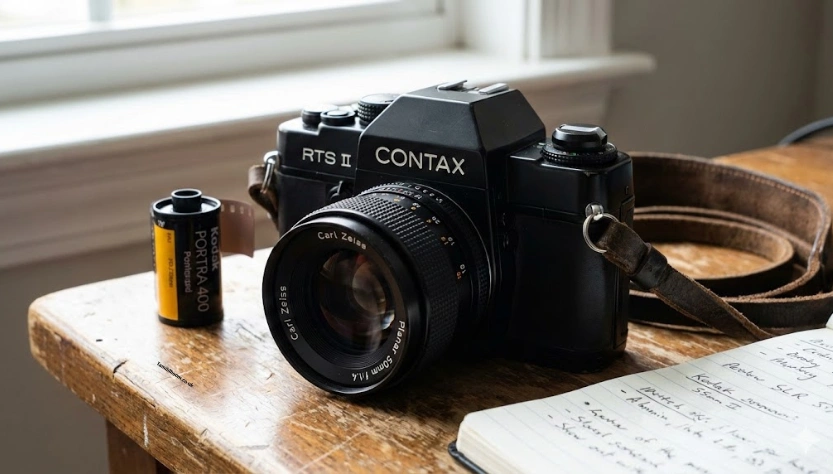
The RTS II is a professional 35mm film SLR camera that holds a special place in photography history. Released in 1982, it was designed as an improved and more advanced version of the original RTS. The camera was built for serious photographers who wanted strong performance, reliability, and excellent image quality.
Even today, the RTS II is respected by film photography lovers, collectors, and professionals who appreciate mechanical precision and high-quality lenses. In this article, we will explore what the RTS II is, why it was important, its key features, and why it still matters today.
What Is the RTS II?
The RTS II is a 35mm single-lens reflex (SLR) camera developed as part of a professional camera system. It was built to handle demanding photography work, including journalism, studio photography, and outdoor shooting.
When it was launched, the RTS II competed with top professional cameras of its time, such as the Nikon F3. It was known for combining advanced electronics with strong mechanical design, making it reliable in many shooting conditions.
The camera was designed to work perfectly with Carl Zeiss lenses, which were famous for their sharpness, color accuracy, and build quality.
Why the RTS II Was an Important Upgrade
The original RTS camera was already respected, but the RTS II took things further. It added new features that improved accuracy, durability, and ease of use.
Photographers needed cameras that could perform well under pressure. The RTS II answered this need by offering better timing, a stronger shutter, and improved electronics.
This upgrade made the RTS II suitable for professionals who relied on precision and consistency in their work.
Key Features of the RTS II
Let’s look at the main features that made the RTS II stand out.
Quartz Timing for Accurate Exposure
Quartz timing uses a quartz crystal to control shutter speed. This makes exposure timing very accurate and stable. For photographers, this meant more consistent photos, especially when shooting in changing light conditions.
Titanium Shutter for Strength and Speed
The RTS II features a titanium shutter that is lightweight yet very strong, offering long life, smooth and fast shutter movement, and reliable performance even after heavy use. This durable shutter design allowed the camera to handle professional workloads and frequent shooting without wearing out quickly.
Professional Build Quality
The RTS II was built like a tool, not a toy, featuring a solid metal body, strong internal parts, and a design made for long-term use. Many RTS II cameras are still working today, even after decades, which clearly shows the high quality of its construction.
Excellent Zeiss Lens Compatibility
One of the main reasons photographers chose the RTS II was its compatibility with Carl Zeiss lenses, which are known for sharp detail, natural colors, strong contrast, and high-quality glass and coatings. The RTS II allowed photographers to fully take advantage of these lenses, helping them produce images with outstanding quality.
Clear and Bright Viewfinder
The RTS II has a bright and easy-to-use viewfinder that helps photographers clearly see focus, compose images accurately, and read exposure information with ease. This made the camera comfortable to use for long periods, which is especially important for professional work.
How the RTS II Compared to Competitors
When the RTS II was released, it entered a competitive market.
RTS II vs Nikon F3
| Feature | RTS II | Nikon F3 |
|---|---|---|
| Primary Focus | Lens quality and precision | System flexibility and wide accessory support |
| Professional Use | Built for professional photographers | Widely used by journalists and professionals |
| Electronic Control | Reliable electronic shutter control | Reliable electronic shutter control |
| Market Position | Serious professional alternative | One of the most popular pro cameras of its time |
| Overall Role | Offered different strengths rather than replacing the F3 | Industry standard for many professionals |
Ease of Use for Photographers
Despite being a professional camera, the RTS II was designed to be user-friendly, allowing photographers to quickly adjust settings, trust accurate exposure, and focus easily using manual lenses. This balance of professional features and simple operation made it appealing to both experienced users and advanced hobbyists.
Image Quality and Performance
The RTS II itself does not create image quality, the lens and film do, but it plays an important role in consistency and reliability. With accurate shutter timing, a strong build, and excellent lens compatibility, photographers could capture sharp, well-exposed images with confidence.
When paired with Zeiss lenses and high-quality film, the results were often stunning, with rich detail and natural tones.
Why the RTS II Still Matters Today
Even though digital cameras dominate the market, the RTS II still has value today.
Popular with Film Photography Fans
Many photographers today enjoy shooting film for its natural look, slower and more thoughtful process, and unique character, and the RTS II fits perfectly into this style of photography.
Respected by Collectors
Collectors appreciate the RTS II because it represents an important moment in camera history, has strong build quality, and remains functional even decades later. As a result, well-maintained RTS II cameras are still highly sought after.
Learning Tool for Manual Photography
Because the RTS II is a manual-focus film camera, it is a great learning tool that helps photographers understand exposure, shutter speed, aperture, and focus, making it especially useful for those who want to improve their photography skills.
Limitations of the RTS II
No camera is perfect, and the RTS II has a few limitations that are important to understand. It does not offer autofocus, so photographers must rely on manual focusing, which can take more time and practice. The camera also depends on electronic systems for key functions, meaning older units may require maintenance or repairs over time.
In addition, original accessories can be harder to find today due to the camera’s age. However, for many users, these limitations are small trade-offs compared to the camera’s build quality, precision, and the rewarding experience of shooting with a classic film camera.
Final Thoughts on the RTS II
The RTS II is more than just an old film camera. It is a symbol of professional craftsmanship, thoughtful design, and photographic precision.
Released in 1982, it brought important upgrades like quartz timing, a titanium shutter, and excellent Zeiss lens compatibility. It stood proudly alongside professional cameras like the Nikon F3 and earned respect for its performance and build quality.
Today, the RTS II continues to be admired by photographers who value reliability, image quality, and the classic film photography experience.