Introduction
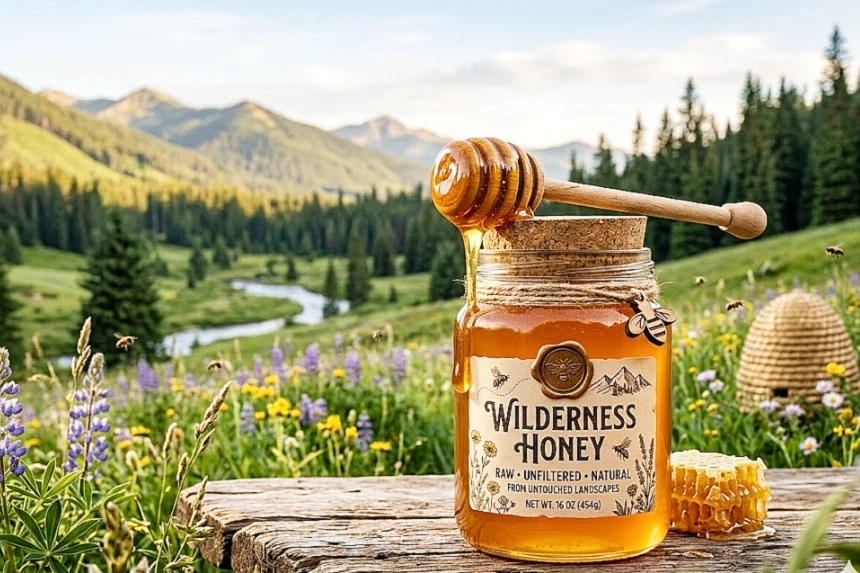
Honey is one of the oldest natural foods in the world. People have been enjoying it for thousands of years. But not all honey is the same. One special type is wilderness honey. This honey comes from bees that live and collect nectar in wild forests, open meadows, and natural areas far away from heavy farming or factories.
What Is Wilderness Honey?
Wilderness honey is pure, natural honey made by bees that collect nectar from wild plants, trees, and flowers. These plants grow freely in forests, hills, and untouched land. The bees are not limited to farm crops. Instead, they visit many different kinds of wild flowers.
Wilderness honey has a rich, natural flavor, deep color, and fresh aroma. Raw and minimally processed, it keeps all its natural nutrients without added sugars or artificial ingredients.
How Is Wilderness Honey Made?
The process of making wilderness honey is simple but amazing.
1. Bees Collect Nectar
Bees fly from flower to flower, collecting nectar. In wilderness areas, there are many types of flowers, trees, and herbs. This variety gives the honey its unique taste.
2. Bees Make Honey
Inside the hive, bees turn nectar into honey. They reduce the water content and store the honey in honeycombs.
3. Beekeepers Harvest Carefully
Beekeepers collect the honey without harming the bees. In wilderness areas, this is often done in small batches. The honey is usually strained but not heavily heated or filtered.
Why Is Wilderness Honey Special?
There are many reasons why people love wilderness honey.
1. Rich and Unique Flavor
Since bees collect nectar from many wild plants, the taste can be complex. Some wilderness honey tastes slightly fruity. Others may taste herbal or even a little spicy.
No two batches are exactly the same. The flavor depends on the season and the plants in bloom.
2. Natural and Pure
Wilderness honey is usually raw, free from artificial sweeteners, and rich in natural enzymes, antioxidants, and small amounts of vitamins and minerals. Coming from wild areas, it’s often less exposed to pesticides than farmed honey.
3. Supports Biodiversity
Wild bees pollinate diverse plants, keeping forests and meadows healthy. Buying wilderness honey from responsible beekeepers supports local ecosystems, native plants, and bee populations.
Wilderness Honey vs. Regular Honey
Let’s compare wilderness honey with regular commercial honey.
| Feature | Wilderness Honey | Regular Commercial Honey |
|---|---|---|
| Source of nectar | Wild flowers and plants | Mostly farm crops |
| Processing | Minimal | Often heavily filtered and heated |
| Flavor | Complex and varied | Mild and consistent |
| Production size | Small batches | Large-scale production |
Commercial honey is not always bad. But wilderness honey often keeps more of its natural character.
Health Benefits of Wilderness Honey
While honey is still a form of sugar and should be eaten in moderation, wilderness honey can offer some natural benefits.
1. Natural Energy Boost
Honey contains natural sugars like glucose and fructose. These sugars give quick energy. Many people use honey before exercise or when they feel tired.
2. Soothes Sore Throats
Warm water with honey is a common home remedy for coughs and sore throats. The thick texture coats the throat and can make it feel better.
3. Contains Antioxidants
Wild plants contain powerful natural compounds, some of which can be transferred into the honey. These antioxidants help shield your body’s cells from damage.
4. May Support Digestion
Raw honey contains natural enzymes that may help with digestion. Some people add a spoon of honey to warm water in the morning
How to Use Wilderness Honey
Wilderness honey is very versatile. You can use it in many simple ways.
1. Natural Sweetener for Drinks
Wilderness honey makes a delicious and healthier alternative to sugar in drinks. You can stir it into tea or coffee for a smooth, natural sweetness, or mix it with warm lemon water for a soothing and refreshing drink. It also works well in smoothies, adding flavor and energy without any artificial sweeteners.
2. Topping for Breakfast
Honey is perfect as a breakfast boost. Drizzle it over oatmeal, yogurt, or granola for a naturally sweet flavor, or spread it on toast and pancakes for a warm, comforting start to your day. It can also be mixed into cottage cheese or fresh fruit bowls, enhancing taste while keeping your meal wholesome.
3. Cooking and Baking
Wilderness honey can replace sugar in many recipes, from muffins and cakes to sauces and marinades. It adds moisture and richness to baked goods while providing a gentle, natural sweetness. You can also use it as a glaze for roasted vegetables, chicken, or salmon, or mix it into salad dressings for a subtle, flavorful touch.
4. Health and Wellness
Honey has long been valued for its health benefits. A spoonful of wilderness honey can help soothe a sore throat or calm a cough, and mixing it with warm water and lemon makes a gentle morning tonic. It can also be incorporated into homemade energy bites or simple natural remedies for an extra boost of nutrition.
5. Skin Care
Beyond the kitchen, wilderness honey is a natural ingredient for skin care. It can be applied directly as a gentle face mask or used as a spot treatment for dry or irritated skin. Mixing honey with oatmeal or yogurt creates a nourishing scrub that softens and revitalizes the skin naturally.
How to Choose High-Quality Wilderness Honey
Not all products labeled “natural” are truly pure. Here are some tips to choose good wilderness honey:
1. Read the Label
Look for raw, unfiltered, pure honey with no added sugar, and avoid products that include extra ingredients.
2. Check the Source
Good honey often tells you where it comes from. It may mention a forest, mountain area, or specific region.
3. Look at the Texture
Raw wilderness honey may look cloudy or thick. It may even crystallize over time. This is normal and shows that it is natural.
To make crystallized honey smooth again, place the jar in warm water. Do not microwave it, as too much heat can destroy natural enzymes.
Wilderness Honey Typical Prices
| Product | Weight | Price (GBP) | Source |
|---|---|---|---|
| Raw wild forest honey | 1 kg | £14.99-£17.90 | Baltic Honey Shop |
| Raw organic wildflower honey | 900 g | £18.99 | Real Raw Honey |
| British wildflower honey | 1 kg | £19.00 | Gwenyn Gruffydd Ltd |
| Raw wildflower honey (small jar) | 340 g | £7.50-£7.95 | Gorilla Food Co. |
| Raw wildflower honey (mid-size) | 450 g | £11.99 | The Raw Kitchen UK |
Is Wilderness Honey Sustainable?
Wilderness honey is sustainable when harvested responsibly, with beekeepers leaving enough honey for the bees, protecting hives, and preserving natural habitats.
Bees play an important role in the environment. They help pollinate plants that provide food for animals and humans. Supporting responsible beekeeping helps protect this balance.
However, overharvesting or disturbing wild hives can harm bee populations. That is why it is important to buy from trusted sources.
Common Myths About Wilderness Honey
Let’s clear up a few misunderstandings.
1. Dark Honey Is Always Better
Darker honey may contain more antioxidants, but color alone does not decide quality. Both light and dark honey can be healthy and tasty.
2. Crystallized Honey Is Spoiled
Crystallization is natural. It happens when glucose forms crystals. It does not mean the honey is bad.
3. All Raw Honey Tastes the Same
The taste depends on the flowers. Honey from wild mountain flowers will taste different from honey from forest herbs.
Final Thoughts
Wilderness honey is more than just a sweet treat. It is a natural product made by hardworking bees in wild and untouched areas. Its rich flavor, simple processing, and connection to nature make it special.
Choosing wilderness honey means enjoying a pure, natural sweetener with a unique taste while supporting bees and wild plants. Use it in tea, on toast, or straight from the spoon, and always buy from trusted, responsible sources.