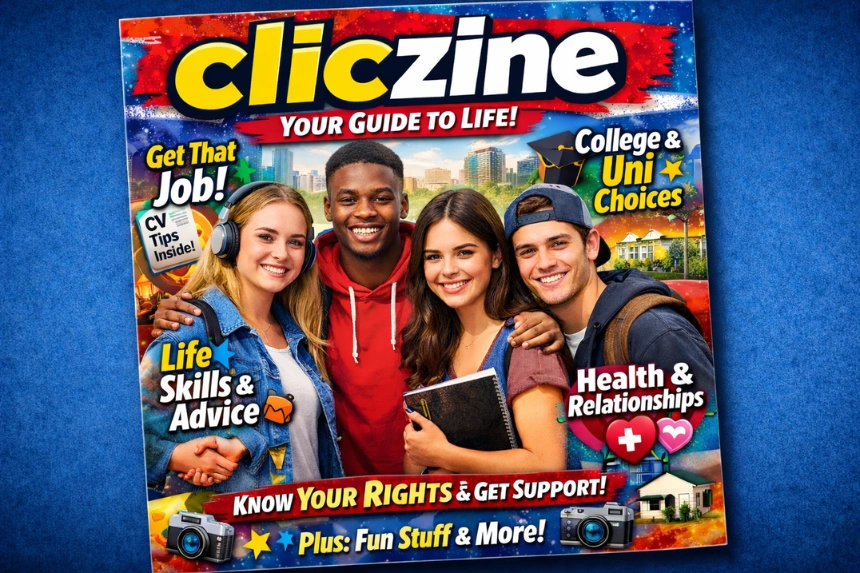
How CLICzine Helped Young People Navigate Education, Health, and Careers
Introduction
Young people often have lots of questions about life, school, health, jobs, and relationships. It can be hard to find good and trustworthy answers. That’s why magazines and websites made just for young people are very important. One good example is CLICzine, a magazine made especially for young people in Wales.
CLICzine was designed to provide useful, clear, and friendly information for readers between the ages of 11 and 25. It worked alongside the Welsh Government youth information service called CLIC. The magazine served as the print version of the online platform known as CLIConline.
What Is CLICzine?
CLICzine was a youth-oriented magazine published in Wales, United Kingdom. It was designed to give teenagers and young adults easy access to useful information about everyday life.
The magazine was created as part of the wider CLIC information service. Its goal was simple: help young people find answers to important questions and guide them toward support services when needed.
Unlike many magazines that focus only on entertainment, CLICzine focused on education, support, and empowerment. It combined helpful articles with engaging designs and youth-friendly language.
The Connection Between CLICzine and CLIConline
CLICzine was closely connected to CLIConline. While the website allowed users to search for information online, the magazine provided similar content in printed form.
This approach made information easier for many young people to access. Some preferred reading printed materials instead of using the internet, while others had limited online access.
A physical magazine could also be read in places like schools, youth centers, and libraries. By offering both a website and a printed magazine, the service created a more complete and accessible youth information system.
Who Created CLICzine?
CLICzine was developed with support from the Welsh Government. The government wanted to make sure young people in Wales had access to safe, trustworthy, and easy-to-understand information.
The CLIC program worked with youth organizations, schools, and community groups to distribute the magazine. This helped it reach a large number of young readers across the country.
Who Was CLICzine For?
CLICzine was created for young people between 11 and 25 years old. This wide age range meant the magazine covered topics relevant to different stages of youth life.
For example:
Ages 11-15
Younger readers often looked for advice about school life, friendships, bullying, online safety, and mental well-being. These topics helped them understand common challenges and learn how to handle them.
Ages 16-18
Teenagers preparing for adulthood were often interested in topics like exams, education choices, careers, training opportunities, relationships, and health advice. These subjects helped them plan for their future and make informed decisions.
Ages 18-25
Young adults often looked for practical guidance on topics such as finding jobs, understanding employment opportunities, housing options, managing money, and building personal skills.
Topics Covered in CLICzine
One of the strengths of CLICzine was the wide range of topics it covered. Each issue aimed to answer questions that young people commonly ask.
Here are some of the main topics.
1. Education and Learning
Education plays a central role in young people’s lives, and CLICzine provided practical guidance to support their learning journey. The magazine included articles offering school advice, effective study tips, and strategies for exam preparation.
It also covered options for further education, including college, university, and vocational training programs. By presenting this information clearly, CLICzine helped young people make informed choices and plan their academic and career paths.
2. Health and Well-Being
CLICzine offered practical education guidance, including school advice, study tips, exam preparation, and options for college, university, or training programs. This helped young people make informed choices and plan their future.
3. Relationships and Social Life
CLICzine provided clear advice on building healthy relationships, covering friendships, family communication, romantic relationships, respect, boundaries, and handling peer pressure.
4. Careers and Jobs
CLICzine offered practical career guidance, including choosing a career path, writing CVs, preparing for interviews, and finding apprenticeships or work experience, helping young people enter the workforce with confidence.
5. Rights and Support Services
CLICzine informed young people about their rights and available services, including youth support programs, housing, legal advice, financial help, and counseling, helping them make informed decisions.
Why CLICzine Was Important
CLICzine played an important role in youth education and support. Here are a few reasons why it was valuable.
1. Easy-to-Understand Information
Many official documents are difficult for young readers to understand. CLICzine solved this problem by using simple language and clear explanations.
2. Reliable and Trusted Content
The magazine was connected to official youth services in Wales. This meant the information was accurate and trustworthy, which is very important when discussing topics like health, education, and legal rights.
Encouraging Young People to Seek Help
Many young people hesitate to ask for help when they face problems. CLICzine encouraged readers to reach out to support services and talk about their concerns.
How CLICzine Was Distributed
CLICzine was distributed in places where young people naturally spent time, making it easier for them to access reliable information. Common distribution points included schools, colleges, youth clubs, libraries, and community centers. This approach ensured that the magazine reached a wide audience across Wales. Many issues also complemented content available on the CLIConline website, allowing readers to continue exploring information and resources online.
The Role of Youth Information Services
CLICzine was part of a broader effort in Wales to provide youth-friendly information services that help young people make informed decisions. These services focus on key areas such as education, personal safety, health awareness, life skills, and career development. By offering both printed magazines like CLICzine and online resources through CLIConline, these programs could reach a wide audience and ensure that young people had reliable guidance in multiple formats.
Conclusion
CLICzine was more than just a magazine. It was an important tool designed to support and inform young people across Wales. By offering clear and helpful articles on topics like education, health, relationships, and careers, it helped readers better understand the world around them.
Working alongside the CLIConline website, CLICzine made youth information more accessible through both print and digital platforms. Its simple language and practical advice made it especially valuable for readers aged 11 to 25.
Although many young people today rely on online resources, the mission behind CLICzine remains relevant. Providing trustworthy, youth-friendly information is still essential for helping young people grow, learn, and make informed decisions about their future.


