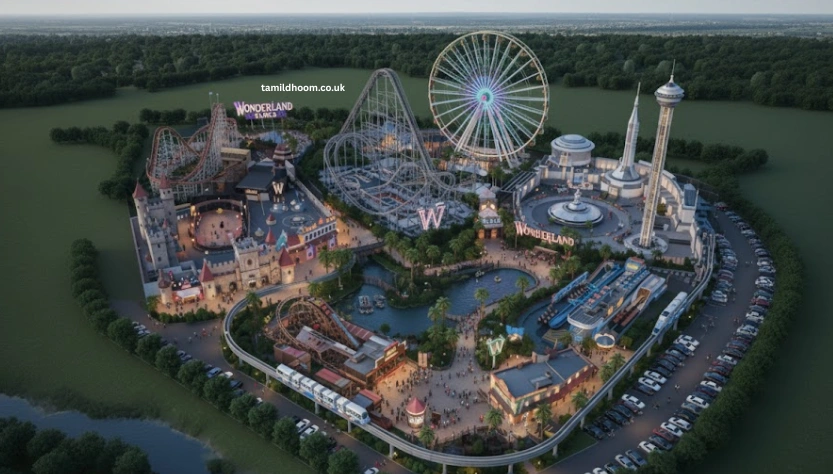
Discover how amusement park chains deliver thrilling rides, immersive experiences, and seasonal events worldwide, shaping entertainment, tourism, and unforgettable family adventures.
Introduction
Amusement parks are an iconic part of American culture, drawing millions of visitors every year with their thrilling rides, immersive worlds, and unforgettable memories. Many of the nation’s favorite parks are part of larger chains, operating across multiple regions and states. These amusement park chains have played a crucial role in shaping both the leisure industry and local economies, offering consistent quality and innovation for guests of all ages. This article explores the world of U.S. amusement park chains—their history, key players, business models, guest experience, and ongoing impact.
A Brief History of Amusement Parks in the USA
The idea of amusement parks dates back more than a century when traveling fairs, circuses, and seaside pleasure gardens were popular. But the true shift began in the mid-20th century, when storytelling, branding, and themed entertainment became central.
Major turning points in the industry:
- Early 1900s: Local funfairs and mechanical rides dominated.
- 1955: Disneyland opened, modernizing theme-based immersive experiences.
- 1970s–1990s: Roller coaster innovation boomed; chains expanded rapidly.
- 2000s–Present: Global expansion, IP licensing, VR rides, and mega-resort parks.
From simple rides to digital meet-and-greets and holographic stage shows, amusement park chains continuously reinvent themselves to stay relevant.
America’s Leading Amusement Park Chains
Several companies dominate the amusement park landscape in the USA:
1. Disney Parks, Experiences and Products
No discussion about amusement park chains can ignore Disney. With multiple destinations across the U.S., including Disneyland in California and Walt Disney World in Florida, Disney’s parks set a global benchmark for immersive storytelling, guest service, and innovation. Each Disney property is carefully themed, offering attractions based on beloved films and characters, parades, and world-class entertainment. Disney leverages its vast intellectual property to create attractions that capture the imagination of every generation12.
2. Universal Parks and Resorts
Universal is another heavyweight, operating Universal Studios Hollywood in California and Universal Orlando Resort in Florida. Known for leveraging blockbuster movie franchises—think Harry Potter, Jurassic Park, and The Simpsons—Universal’s parks focus on high-thrill rides, immersive lands, and technological integration. The success of The Wizarding World of Harry Potter, for example, illustrates how Universal fuses film magic with real-world experiences to draw millions each year12.
3. Six Flags Entertainment Corporation
Founded in Texas in 1961, Six Flags has become synonymous with adrenaline-pumping roller coasters and classic theme park fun. With locations across the U.S., Six Flags operates the most properties of any regional chain in North America, catering to families and thrill seekers alike. Seasonal events, such as Fright Fest and Holiday in the Park, help keep attendance robust year-round4.
4. Cedar Fair Entertainment Company
Cedar Fair owns and operates popular parks like Cedar Point (Ohio), Knott’s Berry Farm (California), and Kings Island (Ohio). Renowned for their record-breaking coasters and family-oriented entertainment, Cedar Fair parks blend a nostalgic, all-American atmosphere with modern attractions and live shows, drawing regional crowds all season45.
5. SeaWorld Parks & Entertainment
While SeaWorld is best known for marine life exhibits and aquatic shows, its parks have diversified over the years to include thrill rides and family-friendly attractions. Parks like SeaWorld Orlando and Busch Gardens Tampa Bay showcase a mix of animal encounters and themed entertainment, focusing on education as well as excitement4.
Key Features Most Amusement Park Chains Offer
| Feature | Purpose |
| Themed zones | Creates immersive experiences |
| Roller coasters & thrill rides | Attracts adventure seekers |
| Live shows & parades | Engages families and kids |
| Food courts & themed dining | Generates secondary revenue |
| Gift shops | Boosts brand engagement |
| Seasonal festivals | Encourages repeat visits |
| Mobile apps | Improve navigation and queues |
| Fast passes | Reduces wait times (monetized upgrade) |
Business Models: What Makes Chains Successful?
Amusement park chains in the U.S. typically rely on several synergistic revenue streams:
Admission Sales: Ticket prices vary by park and season, with chains often selling annual passes that encourage repeat visits and smooth out attendance fluctuations7.
In-Park Spending: Food, beverages, souvenirs, and front-of-line passes are lucrative add-ons that boost per-guest revenue.
Seasonal and Special Events: Events like Halloween festivals, summer concerts, and holiday-themed celebrations drive new and repeat business.
Brand Partnerships and Licensing: Chains often collaborate with major media companies or leverage their own intellectual property for unique attractions and merchandise.
Regional chains like Cedar Fair and Six Flags tend to focus on volume—driving as many visits as possible—while destination resorts like Disney and Universal prioritize both volume and high-value, immersive experiences.
Visitor Experience: Innovation and Hospitality
A trademark of successful amusement park chains is their investment in visitor experience. Modern guests expect more than just rides, they want immersive worlds, diverse food choices, high-quality entertainment, and seamless operations. Advances in technology have greatly improved the guest journey, from mobile ticketing and virtual queuing to augmented reality attractions.
Parks also constantly update their attractions to stay fresh and relevant, often introducing new rides or themed lands based on current pop culture trends or major movie releases. Cleanliness, safety, and customer service remain core values, helping chains maintain strong reputations and guest loyalty9.
How Technology Is Transforming the Amusement Park Experience
Amusement park chains are adopting cutting-edge tech to enhance visitor experience:
| Technology | Benefits |
| Mobile park apps | Real-time maps, wait time updates |
| Cashless payments | Faster transaction and fewer queues |
| AI crowd management | Predict traffic flow in parks |
| VR & AR rides | Next-level immersive experiences |
| Smart wristbands | Ride access, payments, and photos |
Some parks even use facial recognition for ticket entry and AI robots for customer assistance.
Challenges Faced by Amusement Park Chains
Despite their success, these businesses also face hurdles:
High Operating Costs:Maintenance, staff salaries, ride inspection, security, and utilities are expensive and constant.
Seasonal Limitations: Some parks close in winter or operate on limited schedules, affecting profits.
Safety Concerns: Ride malfunctions or accidents impact brand reputation heavily.
Competition from Digital Entertainment: Streaming services, video games, and VR at home compete for the same audience pool.
Economic Sensitivity: Ticket prices are discretionary spend visitors reduce trips during economic downturns.
Economic and Cultural Impact
The amusement park chain industry is a major contributor to the U.S. economy. It generates billions in revenue, employs tens of thousands of people, and supports local hospitality and tourism sectors. Parks often serve as flagship attractions in their regions, spurring hotel development, restaurant growth, and transportation infrastructure. Beyond the numbers, these chains offer shared cultural experiences and fond memories for generations of Americans18.
The Future of Amusement Park Chains
Amusement park chains are transforming faster than ever. The next wave of innovation is focused on deeper immersion, smarter technology, and sustainable experiences that go beyond traditional rides.
Virtual reality zones will allow visitors to step inside fully digital worlds, making theme experiences more interactive and visually powerful. Instead of just watching stories, guests will feel like they are inside them.
Artificial intelligence will personalize park adventures by suggesting custom ride routes, themed activities, and tailored experiences based on visitor interests. No two trips will feel the same.
Sustainability will also play a major role. Many future parks will operate on zero-carbon systems, using renewable energy, waste reduction, and eco-friendly design to build greener entertainment spaces.
Collaborations with famous movie, cartoon, and gaming franchises will expand as parks bring more popular characters and stories to life through exclusive partnerships and attractions.
Long waiting lines will become a problem of the past. Advanced digital queue systems and smart crowd control will guide guests efficiently, reducing wait time and improving park flow.
Parks will also shift toward multi-day resort experiences, combining hotels, entertainment, dining, and themed attractions into one complete getaway destination.
In the future, amusement parks won’t just be places to visit. They will be worlds to explore, live in, and remember.
Conclusion
Amusement park chains are much more than just a collection of rides—they are innovators, economic drivers, and architects of experience. From the magic of Disney to the thrills of Six Flags, these brands continue to evolve, delighting millions while adapting to changing tastes and technologies. Whether you’re a thrill seeker or a casual visitor, America’s amusement park chains promise adventure, nostalgia, and lasting memories every time you walk through the gate.
FAQs About Amusement Park Chain
An amusement park chain is a company that owns and operates multiple parks under the same brand, offering consistent themed experiences and attractions across locations.
They use seasonal events, limited-time attractions, new ride launches, and holiday-themed festivals to keep guests returning throughout the year.
Chains provide standardized experiences, recognizable branding, and global or regional presence, while standalone parks operate independently with unique themes.
Yes, they generate revenue from ticket sales, food and beverage, merchandise, VIP passes, hotels, and partnerships, making them multi-stream business models.
Chains use mobile apps, digital ticketing, AI crowd management, VR/AR rides, and cashless payment systems to improve convenience and guest experience.
They refresh the park experience, create urgency for visits, and drive higher attendance without building permanent rides.
Parks are moving toward immersive VR zones, AI-personalized experiences, sustainable eco-friendly operations, franchise collaborations, and multi-day resort destinations.
Yes, they boost tourism, create jobs, improve infrastructure, and attract global visitors, benefiting surrounding communities and businesses.