Candoil Lanterns Explained: Design, Operation, and Care Instructions
Introduction
Before electricity became common in homes, people depended on oil lamps and lanterns for light. These lanterns were simple, reliable, and easy to carry. One well-known name connected to these old-style lamps is the Candoil lantern.
A Candoil lantern is a portable oil lamp made for everyday use. It was designed to give steady light using fuel like kerosene or lamp oil. Even today, many people collect these lanterns, use them for decoration, or keep them as emergency backup lighting.
What Is a Candoil Lantern?
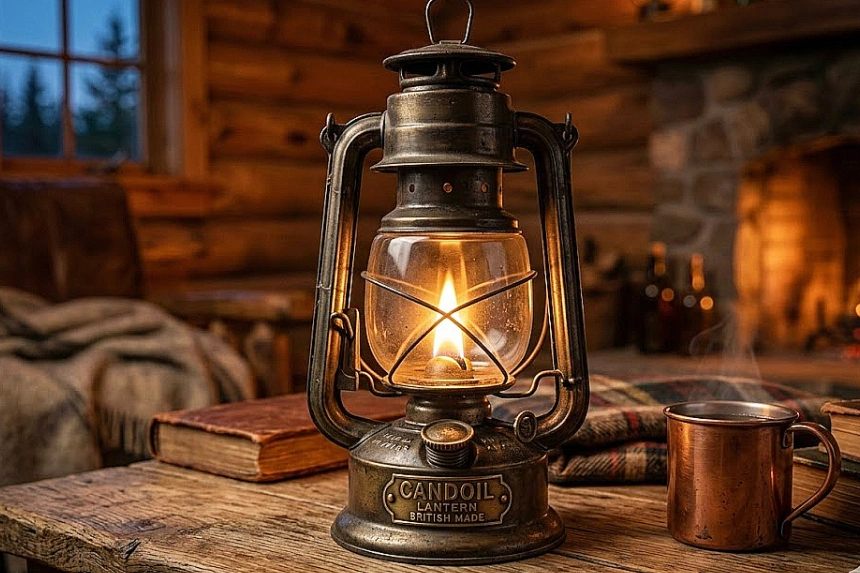
A Candoil lantern is a traditional portable oil lantern made under the brand name Candoil. These lanterns were commonly used in homes, farms, workshops, and outdoor settings before electric lights became popular.
Unlike candles, which burn down quickly and can tip over easily, oil lanterns like the Candoil lantern were built to be safer and more dependable. They were designed to protect the flame from wind, provide a steady and controlled light, and be easy to carry from one place to another. Most Candoil lanterns were made from strong metal and included a glass chimney that shielded the flame, helping it burn more evenly and safely.
A Brief History of Oil Lanterns
Before electric bulbs were invented by people like Thomas Edison, homes were lit using candles, oil lamps, and lanterns. In the 1800s and early 1900s, kerosene lanterns became very common.
Lantern brands, including Candoil, produced strong and affordable models for everyday use. These lanterns were widely used in rural homes without electricity, on farms and in barns, on ships and fishing boats, during camping trips, and in emergency situations.
Although oil lanterns became less common as electricity spread to more areas, they never completely disappeared and continued to serve as reliable backup lighting.
Main Parts of a Candoil Lantern
A Candoil lantern may look simple, but it has several important parts that work together to produce light.
1. Fuel Tank (Reservoir)
This is the bottom part of the lantern. It holds kerosene or lamp oil.
2. Wick
The wick is a strip of fabric that absorbs the oil. When the top of the wick is lit, it creates a steady flame.
3. Wick Adjuster
This small knob lets you raise or lower the wick. Raising it makes the flame bigger. Lowering it makes the flame smaller.
4. Glass Chimney
The clear glass cylinder protects the flame from wind and helps control airflow. It also makes the light brighter and safer.
5. Metal Frame and Handle
The metal frame holds everything together. The handle makes the lantern easy to carry.
Each part plays an important role. If one part is damaged, the lantern may not work properly.
How Does a Candoil Lantern Work?
A Candoil lantern works using a very simple but clever system. It does not use electricity. Instead, it creates light by burning fuel in a controlled way.
1. The Fuel Tank Holds the Oil
The bottom part of the lantern is the fuel tank, also called the reservoir. It is filled with kerosene or specially made lamp oil. This liquid fuel does not burn on its own in the tank. It only burns when it reaches the top of the wick.
2. The Wick Draws Fuel Upward
Inside the lantern, a cotton or fabric wick sits partly inside the fuel tank. The wick absorbs the oil through a natural process called capillary action. This means the liquid slowly travels upward through the tiny fibers of the wick without needing a pump.
3. Lighting the Wick Creates the Flame
When the top of the wick is lit with a match or lighter, the heat causes the fuel at the tip to turn into vapor. It is actually this vapor that burns, not the liquid oil itself. This creates a steady flame.
4. The Wick Adjuster Controls Brightness
A small knob on the side of the lantern raises or lowers the wick.
- Raising the wick exposes more fuel to the flame, making the light brighter.
- Lowering the wick reduces the flame size and makes the light dimmer.
If the wick is raised too high, the flame may smoke and produce soot.
5. The Glass Chimney Regulates Airflow
The glass chimney (also called a globe) does more than just protect the flame. It helps control airflow.
When the lantern is lit, warm air rises inside the chimney. This upward movement pulls fresh oxygen in from the bottom. This steady flow of air helps the flame burn evenly and more efficiently.
The chimney also shields the flame from wind. That is why Candoil lanterns were useful outdoors. Light breezes usually cannot blow out the flame because it is protected inside the glass.
Are Candoil Lanterns Still Used Today?
Yes, they are, but in different ways.
1. Decoration
Many people display them in homes with vintage or farmhouse style décor.
2. Collecting
Collectors enjoy finding old lanterns in antique shops or markets.
3. Camping
Some campers prefer oil lanterns for a classic outdoor experience.
4. Emergency Backup
During power outages, an oil lantern can provide light without batteries.
Even though modern LED lanterns are more common, some people still prefer the warm, soft glow of an oil flame.
How to Use a Candoil Lantern Safely
Oil lanterns like a Candoil lantern are reliable, but they use an open flame. That means careful handling is very important. Here are the key safety rules you should follow:
1. Use the Correct Fuel
Only use clean kerosene or high-quality lamp oil. Never use gasoline, alcohol, or other flammable liquids. Gasoline can create dangerous fumes and may cause an explosion.
2. Fill the Tank the Right Way
Refill the lantern only when it is completely cool. Do not overfill the tank, leave a small air space at the top to prevent pressure buildup. Wipe away any spilled fuel before lighting it.
3. Place It on a Stable Surface
Always set the lantern on a flat, steady, and non-flammable surface like metal, stone, or solid wood. Keep it away from curtains, paper, dry grass, or anything that can catch fire.
4. Handle the Hot Parts Carefully
The glass chimney and metal frame become very hot during use. Do not touch them while the lantern is burning. Allow it to cool fully before moving or refilling.
5. Ensure Proper Ventilation
Use the lantern in a well-ventilated area. Burning fuel produces fumes and small amounts of carbon monoxide. Never use it inside a tightly closed room.
6. Never Leave It Unattended
Do not leave the lantern burning when you leave the room or go to sleep. Always lower the wick to turn it off completely.
How to Maintain a Candoil Lantern
If you own one, proper care will help it last longer.
Clean the Glass Chimney
Soot can build up over time. Clean it gently with warm water and mild soap.
Trim the Wick
Keep the wick trimmed evenly. This helps produce a cleaner flame.
Check for Rust
If the lantern is old, check for rust on metal parts. Light cleaning can prevent damage.
Store Properly
Keep it in a dry place when not in use.
Regular maintenance keeps the lantern working safely and looking good.
How to Identify an Original Candoil Lantern
If you are buying one, here are some things to check:
- Look for the brand name “Candoil” stamped on the metal.
- Check the build quality, original models are usually sturdy.
- Examine the glass chimney for proper fit.
- Look for signs of heavy rust or cracks.
If you are unsure, compare it with verified antique listings or consult a collector.
Candoil Lantern vs. Modern Lanterns
Let’s compare traditional Candoil lanterns with modern battery or LED lanterns.
| Feature | Candoil Lantern | Modern LED Lantern |
|---|---|---|
| Power Source | Oil or kerosene | Batteries or rechargeable |
| Light Color | Warm yellow | Bright white |
| Maintenance | Wick trimming required | Minimal |
| Fire Risk | Yes | No open flame |
| Style | Vintage | Modern |
Each type has its own advantages. The Candoil lantern offers charm and simplicity, while modern lanterns offer convenience and safety.
Final Thoughts
A Candoil lantern is more than an old oil lamp. It represents a time when light came from careful design and simple fuel. It was reliable, portable, and important for daily life.
Today, it continues to be useful for decoration, collecting, camping, and emergency lighting. With proper care and safe use, it can still provide warm light just like it did many years ago.
If you are interested in history, vintage items, or practical backup lighting, a Candoil lantern is a meaningful and valuable piece to own.