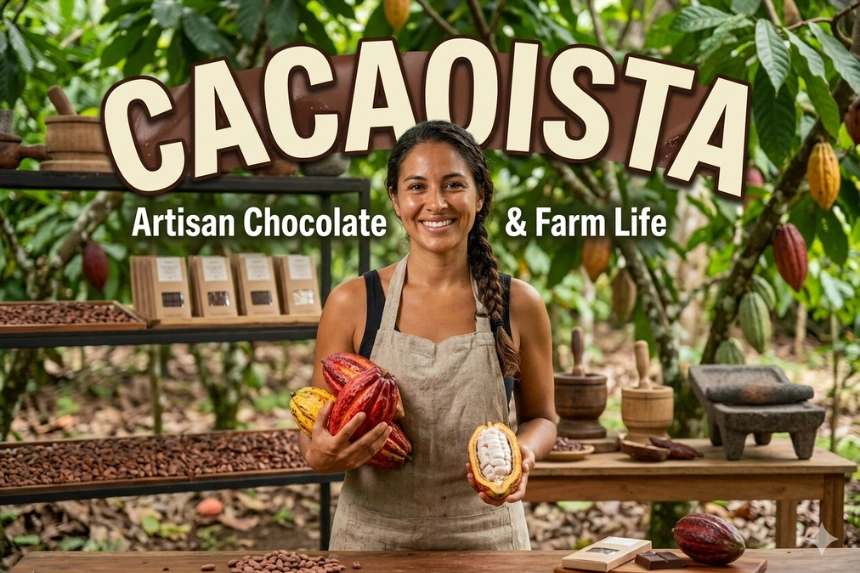
Exploring the Role and Importance of a Modern Cacaoista in Wellness
Introduction
As wellness culture continues to evolve across the UK and beyond, a growing number of people are turning to ancient plant traditions for emotional healing, spiritual connection, and personal transformation. At the heart of this movement is a role that few have heard of, the Cacaoista. A trained facilitator who holds space for sacred Cacao Ceremonies, a Cacaoista bridges thousands of years of indigenous wisdom with the modern demand for meaningful, heart-centered experiences. Understanding what this role entails, why it matters, and how people are stepping into it reveals something important about where the wellness world is heading.
What Is a Cacaoista and What Do They Do?
A Cacaoista is a certified practitioner who designs, leads, and holds space for ceremonial cacao experiences. Unlike a barista who simply prepares a drink, a Cacaoista works within a spiritual and therapeutic framework, preparing ceremonial-grade cacao, setting intentional space, guiding meditation or breathwork, and supporting participants through emotional or energetic processes that the cacao may catalyze.
The word itself blends the Spanish-origin suffix -ista (indicating a practitioner or specialist) with cacao, the sacred plant at the heart of the practice. It is a term increasingly used within the ceremonial cacao community, particularly through lineages such as Ritual Cacao UK, whose founder Rebekah Shaman is credited with being among the first to bring ceremonial-grade cacao to the United Kingdom and begin certifying Cacaoistas in the formal sense.
Cacaoistas are distinct from general cacao ceremony facilitators in that the title typically reflects a specific apprenticeship or lineage-based training, not simply a course completion. The role demands personal practice, cultural sensitivity, and a deep understanding of the plant itself.
The Ancient Roots Behind the Cacao Ceremony
To understand the Cacaoista, you first need to understand cacao’s history. The Theobroma cacao tree, whose name literally translates from Greek as “food of the gods,” has been cultivated and venerated across Mesoamerica for over 3,500 years. Cacao was consumed as a hot brew among the Olmec, Aztec, and Mayan civilizations dating back to at least 1700 BC, with cacao beans even used as currency in some cultures.
For the Maya and Aztec peoples, cacao was not simply food, it was a sacred offering. Priests, warriors, and royalty consumed it in ritual contexts to access deeper spiritual states, open the heart, and commune with the divine. Ceremonies involving cacao were designed to strengthen community bonds, facilitate rites of passage, and support healing.
The modern cacao ceremony draws directly from these traditions. While it has been adapted for contemporary settings, yoga studios, wellness retreats, and private gatherings, its core intention remains intact: to use cacao as a plant ally to open the heart, deepen presence, and create space for inner exploration.
The Science of Cacao: Why Ceremonial Grade Matters
Part of what makes cacao such an effective ceremonial tool is its unique biochemistry. Ceremonial-grade cacao is minimally processed and retains the full spectrum of its natural compounds—a meaningful distinction from the heavily refined chocolate most people are familiar with.
What Does Cacao Actually Contain?
The primary active compound in cacao is theobromine, a gentle methylxanthine stimulant that acts as a vasodilator, widening blood vessels, supporting healthy blood pressure, and improving circulation throughout the body. Unlike caffeine, theobromine provides a slower, more sustained energy lift without spikes or crashes.
Cacao also contains phenylethylamine (PEA), sometimes referred to as the “love chemical,” which supports emotional openness and mood. Alongside this, cacao is rich in anandamide, a neurotransmitter associated with bliss states, as well as magnesium, iron, antioxidants, and B-vitamins. Raw cacao is one of the highest plant-based sources of magnesium, a mineral many people in the UK are chronically deficient in.
In a ceremonial context, participants typically consume a significantly larger dose than a standard daily intake, often between 35g and 45g, which amplifies these physiological effects and supports deeper meditative or emotional states. This is precisely why having a trained Cacaoista present matters: dosage, preparation, and holding safe space are all critical to a beneficial experience.
What Happens in a Cacao Ceremony?
A cacao ceremony is not a casual gathering. It is a structured, intentional ritual guided by the Cacaoista from opening to close. While each ceremony varies depending on the facilitator’s lineage and the group’s needs, most follow a recognisable framework.
The Cacaoista begins by preparing the cacao, sourcing ceremonial-grade material, often from Guatemala or Peru, and preparing it as a warm drink using water or plant-based milk, sometimes with spices such as chili or cinnamon. An intention-setting process invites participants to arrive with clarity about what they are bringing to the circle.
The body of the ceremony may include guided meditation, sound healing, breathwork, expressive movement, or shamanic journeying, all held within the energetic container the Cacaoista creates. Participants are guided to move through whatever arises emotionally or energetically, with the Cacaoista available to offer grounded support.
A closing integration period allows participants to reflect, share, and begin weaving insights from the experience back into daily life. This integration aspect is particularly important in trauma-informed facilitation, an emerging specialization within Cacaoista training.
How Does Someone Become a Cacaoista?
What Training Involves
Training pathways vary widely, from short online courses to intensive residential apprenticeships. At the structured end, programs such as the Cacaoista Training at Ritual Cacao offer nine-day immersive residential experiences and lead to a certified Cacaoista® qualification, equipping participants with both shamanic and practical facilitation skills.
Other recognized pathways include:
Centre of Excellence’s Cacao Ceremony Facilitator Diploma: A 150-hour, Level 3 CPD-accredited course fully endorsed by the Complementary Medical Association (CMA), ideal for wellness practitioners already holding therapeutic qualifications.
InnerCamp’s 50-hour online facilitator training: A self-paced program covering cacao preparation, shamanic tools, and event organization, with a globally recognized diploma on completion.
World of Cacao’s 6-week online academy: A structured program covering ceremonial origins, facilitation responsibilities, and practical ceremony leadership.
What Skills Does a Cacaoista Need?
Beyond knowledge of cacao’s history and biochemistry, an effective cacaoista develops skills in group facilitation, emotional containment, trauma-informed practice, and personal energetic hygiene. Many training programs integrate sound healing, guided meditation scripting, and business development, equipping graduates to operate professionally within the wellness economy.
Cultural sensitivity is a non-negotiable dimension of the work. The cacao tradition is rooted in Mayan and Mesoamerican indigenous knowledge, and cacaoistas are trained to honour this lineage with respect, attribution, and ethical sourcing practices.
Why Is Demand for Cacaoistas Growing?
The rise of the cacaoista reflects a broader structural shift in how people approach well-being. The UK wellness market grew at nearly double the global average rate between 2020 and 2022, ranking first globally for post-pandemic wellness market recovery. The UK’s wellness economy reached an estimated £186 billion by 2022, driven by growing consumer demand for experiential, community-based well-being practices.
Is a Cacao Ceremony Right for You?
Who Benefits Most from Cacao Ceremonies?
Cacao ceremonies are accessible to most adults seeking emotional openness, community connection, or a framework for personal reflection. They are particularly valued by individuals navigating life transitions, those exploring complementary approaches to mental wellbeing, or practitioners looking to integrate a powerful plant ally into existing therapeutic or spiritual offerings.
It is worth noting that ceremonial cacao is contraindicated for people taking MAOIs or SSRIs, those with heart conditions, or women in early pregnancy. A qualified Cacaoista will always conduct a brief health intake before the ceremony to ensure participant safety.
What Should You Look for in a Cacaoista?
When seeking out a Cacaoista or cacao ceremony, it is worth evaluating their training lineage, their sourcing practices (ceremonial-grade, ethically traded cacao is essential), and their approach to trauma-informed facilitation. An experienced cacaoista should be transparent about their background and clear on what their ceremony involves.
Conclusion
The role of the Cacaoista represents something meaningful in contemporary wellness: a return to ceremonial space, community ritual, and plant-based wisdom, offered with professional skill, cultural integrity, and a genuine commitment to participant well-being. As the UK wellness landscape continues to mature, the Cacaoista sits at a compelling intersection of ancient tradition and modern facilitation practice.
Whether you are drawn to experience a cacao ceremony for the first time or are considering training as a cacaoista yourself, the path begins with curiosity and, often, a warm cup of something extraordinary.