Tips for Maximizing Performance with the BSS 24 Audio Splitter Device
Introduction
In the world of professional audio, ensuring that sound signals remain clear and strong is very important. Whether it’s a live concert, a recording studio, or a broadcast setup, losing quality in sound signals can create major problems. This is where systems like BSS 24 come into play. In simple words, BSS 24 is a professional device that helps split audio signals cleanly and efficiently.
What Is BSS 24?
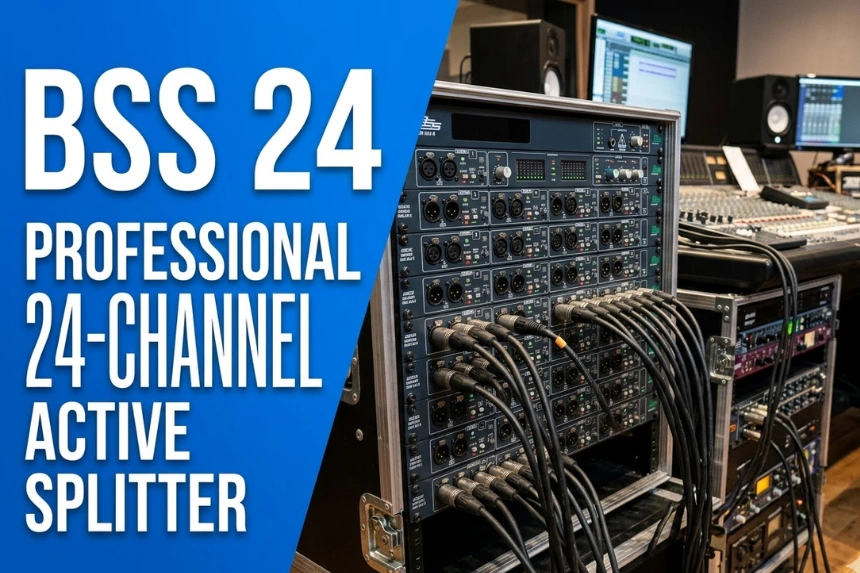
BSS 24 is a 24-channel professional active audio splitter system. It is built using units called BSS MSR-604 II. The main purpose of this system is to take a single audio signal, like a microphone or a line-level signal, and split it into multiple outputs. These outputs can then be sent to different devices, such as mixing consoles, monitor speakers, or recording devices.
In practical terms, BSS 24 helps share one sound source with many devices without losing quality or adding noise. Imagine you have one microphone on stage, but you want that sound to reach the front-of-house mixer, a recording device, and a monitor on stage. BSS 24 makes this possible.
Why Audio Splitting Matters
While audio splitting may seem straightforward, it is a crucial element in any professional audio setup. Without a high-quality splitter, the original signal can degrade as it is routed to multiple devices, introducing noise, interference, or unwanted hum. Inconsistent signals may prevent some devices from receiving a clean feed, compromising overall sound quality.
The BSS 24 eliminates these risks by delivering a strong, balanced, and noise-free signal to every output, ensuring reliable, professional-grade audio across all connected equipment.
How BSS 24 Works
The BSS 24 system is built around the BSS MSR-604 II units. Each of these units can handle multiple channels. Together, they create a system that can manage 24 separate channels at once. Here’s a simplified explanation of how it works:
Input Stage: You connect a microphone, instrument, or line-level device to the input of the splitter.
Splitting Stage: The system actively splits the signal. “Active” means it uses internal electronics to amplify and maintain signal strength, unlike passive splitters that rely only on cables and resistors.
Output Stage: Each output channel sends the clean signal to its destination, whether it’s a mixer, a monitor speaker, or a recording device.
This process ensures that the sound quality remains high, even if the signal is being sent to many different devices at the same time.
Key Features of BSS 24
BSS 24 is popular in professional audio because it combines reliability with performance. Some of its key features include:
24-Channel Capability: Handles multiple signals at once, making it ideal for complex setups.
Noise-Free Splitting: Active electronics prevent hums, buzzes, and other unwanted noise.
Balanced Outputs: Balanced connections reduce the risk of interference over long cable runs.
Versatility: Works with microphones, line-level devices, and different types of audio setups.
Durable Build: Designed for stage and studio use, it can handle heavy use without failing.
These features make BSS 24 a trusted choice for live sound engineers, studio technicians, and broadcast professionals.
Uses of BSS 24
The BSS 24 system is not just a technical gadget, it has many practical applications in real life. Here are some examples:
1. Live Concerts
During live performances, a single audio source often needs to be sent to multiple destinations simultaneously. The front-of-house mixer requires the main microphone signal, stage monitors need it for the musicians, and recording devices capture the performance. The BSS 24 enables the same signal to feed all these systems cleanly and reliably, preserving clarity and preventing any loss of audio quality.
2. Recording Studios
In studios, engineers frequently need to send a single source to multiple recording devices or processing units. The BSS 24 allows them to route signals to different recorders, compressors, or equalizers simultaneously, maintaining full audio quality without degradation.
3. Broadcasts and Events
For live events, radio broadcasts, or television productions, multiple systems often need the same audio feed. The BSS 24 delivers consistent, high-quality signals to all outputs, eliminating interference, hum, or signal drop.
4. Rehearsals and Practice Spaces
Even in smaller setups like rehearsal rooms, the BSS 24 allows a single microphone or instrument to feed multiple speakers, ensuring every performer hears a clear and balanced sound.
Benefits of Using BSS 24
Investing in a professional splitter like BSS 24 provides several benefits:
Improved Sound Quality: Each output receives a clear and strong signal.
Time-Saving: One setup can serve multiple devices without extra wiring or complicated adjustments.
Reliability: Built for professional environments, it minimizes technical issues during critical performances.
Flexibility: Works with different types of audio equipment, from microphones to digital interfaces.
Tips for Using BSS 24 Effectively
The BSS 24 is a powerful tool, but proper use ensures maximum performance and longevity. Here are some practical tips for users:
Use Balanced Connections Whenever Possible: Balanced XLR or TRS cables reduce interference and noise, especially on long cable runs, ensuring cleaner audio.
Check Input Levels: Make sure your microphone or line-level source is set to an appropriate level before splitting. Overloading the input can cause distortion, while too low a signal can introduce noise.
Avoid Overloading Outputs: Each output channel is designed for a certain load. Sending too many devices to a single output can degrade the signal.
Plan Your Routing: Identify which devices need which outputs ahead of time to prevent confusion and minimize setup errors.
Keep Cables and Connectors Clean: Dust, dirt, or loose connections can reduce signal quality. Regularly inspect and clean cables and connectors.
Maintain Proper Ventilation: While the BSS 24 is robust, ensure it is kept in a well-ventilated area to avoid overheating during long sessions.
Regularly Test the System: Before a live performance or recording, test all channels to confirm that each output receives a clear, noise-free signal.
Isolate Ground Loops: If you encounter hum, use DI boxes or ground lift features where necessary to prevent ground loop issues.
Document Your Setup: Especially in complex setups with multiple devices, keeping a simple diagram or checklist helps speed up future setups and reduces mistakes.
Conclusion
The BSS 24 24-channel audio splitter system is a key tool in professional audio setups. It ensures that a single audio source can be shared with multiple devices without losing quality or introducing noise. From live concerts and recording studios to broadcasts and rehearsals, BSS 24 makes sound management easier and more reliable.
For anyone working in audio, understanding and using a system like BSS 24 is essential. It’s not just about splitting signals; it’s about keeping the sound clear, professional, and consistent, no matter how complex the setup.
By investing in tools like BSS 24 and following practical usage tips, both beginners and professionals can achieve better sound quality, smoother workflows, and reliable results in any audio environment.