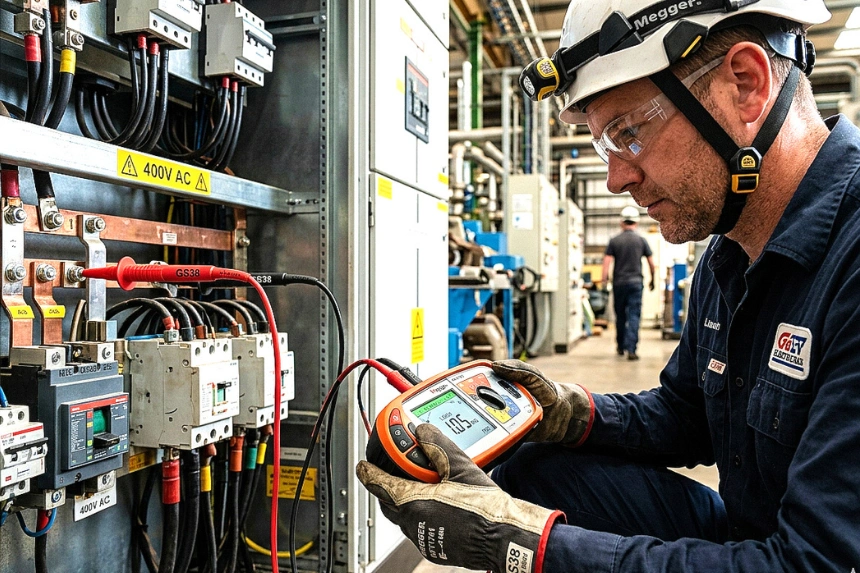
Practical Safety Tips for Electrical Testing Based on GS38 Guidelines
Introduction
Working with electricity can be risky if you don’t follow the right safety steps. Even small mistakes while testing circuits can cause serious accidents. That’s why GS38 is so important. It gives simple rules for using electrical testing tools safely. By following GS38, you can stay safe, avoid accidents, and do your work with confidence.
What Is GS38?
GS38 is a safety guideline that focuses on the safe use of electrical test equipment. It provides clear instructions on how tools like voltage testers, probes, and meters should be designed and used.
The main goal of GS38 is simple, it helps prevent electric shocks, burns, and other accidents when working with electrical testing equipment. By following its guidance, anyone handling electrical circuits can stay safer and avoid dangerous mistakes.
Electrical testing often involves working with live circuits. This means there is always a risk. GS38 helps reduce that risk by setting safety standards for both equipment and working methods.
Why Is GS38 Important?
Electricity is not something you can see, smell, or hear. This makes it even more dangerous. Without proper safety rules, people can easily get hurt.
1. It Prevents Injuries
Following GS38 reduces the chance of electric shock and burns. It teaches safe ways to handle tools and avoid direct contact with live parts.
2. It Promotes Safe Work Habits
GS38 is not just about tools, it also helps people develop good habits. These habits can protect workers every day.
3. It Protects Equipment
Using the right equipment in the right way prevents damage to tools and systems.
4. It Builds Confidence
When you know you are following proper safety rules, you can work with more confidence and less fear.
Key Rules of GS38
GS38 includes several important safety rules. These rules are easy to understand and follow.
1. Use Properly Insulated Tools
All test equipment should have proper insulation. This means the handles and probes are covered with protective material to prevent electric shock.
2. Limit Exposed Metal
GS38 recommends that only a small part of the probe tip should be exposed. This reduces the chance of accidental contact with live parts.
3. Use Finger Guards
Probes should have finger guards. These guards stop your fingers from slipping forward and touching dangerous areas.
5. Check Equipment Before Use
Before using any testing tool, always check it for damage. Look for broken wires, cracks, or worn-out insulation.
6. Use the Right Equipment for the Job
Different jobs need different tools. Always choose the correct equipment for the voltage and environment you are working in.
Common Electrical Testing Tools Covered by GS38
GS38 mainly focuses on tools used to test electrical systems. Some of the most common tools include:
1. Voltage Testers
These tools check if electricity is present in a circuit.
2. Multimeters
Multimeters measure voltage, current, and resistance.
3. Test Probes
Probes are used to connect testing devices to circuits.
4. Leads and Clips
These help attach testing equipment safely and securely.
All these tools must meet GS38 safety standards to reduce risk.
Safe Working Practices Under GS38
GS38 is not only about tools. It also teaches simple and safe ways to work with electricity in real situations. These practices help reduce risk and keep you protected.
1. Always Assume Circuits Are Live
Never trust that a circuit is off without checking it yourself. Always use a proper tester and confirm it is working correctly before and after testing.
2. Keep Your Work Area Dry
Make sure your hands, tools, and surroundings are dry. Moisture increases the risk of electric shock, so always work in a safe, dry area.
3. Wear Proper Safety Gear
Use basic safety gear like insulated gloves and safety glasses when needed. This adds extra protection while working.
4. Avoid Working Alone
Try not to work alone when dealing with electricity. Having someone nearby can help quickly in case of an emergency.
5. Turn Off Power When Possible
Whenever possible, switch off the power before starting work. This is one of the easiest and most effective ways to stay safe.
Real-Life Example to Understand GS38
Imagine an electrician checking a faulty switch in a building where the circuit may still be live.
Without following GS38, they might use damaged probes or tools with too much exposed metal. Their fingers could slip while testing, leading to contact with live parts and causing an electric shock.
Now, if the electrician follows GS38, they first check their tools to make sure everything is safe. They use insulated probes with finger guards and only a small exposed tip. They test carefully and stay in control during the process.
Because they follow safe steps, the job is completed without any injury. This shows how GS38 helps turn a risky task into a safe one.
Mistakes to Avoid When Following GS38
Even with guidelines, people can make mistakes. Here are some common ones:
1. Ignoring Equipment Damage
Using damaged tools is very dangerous. Always replace faulty equipment.
2. Using Cheap or Low-Quality Tools
Low-quality tools may not meet safety standards. Always use trusted equipment.
3. Skipping Safety Checks
Many accidents happen because people rush. Never skip safety checks.
4. Overconfidence
Thinking “it won’t happen to me” can lead to serious accidents. Always stay careful.
Benefits of Following GS38
Following GS38 is not just about meeting rules. It brings real and practical benefits that improve both safety and work quality over time.
1. Better Safety
The most important benefit is protection from serious harm. GS38 reduces the risk of electric shock, burns, and accidental contact with live parts. By using properly designed tools and safe methods, workers can handle electrical tasks with much lower risk.
2. Professional Work Quality
When you follow GS38, your work becomes more careful and controlled. You are more likely to use the right tools, check equipment properly, and follow correct steps. This leads to accurate results and shows a high level of professionalism and responsibility.
3. Fewer Accidents
Workplaces that follow GS38 tend to have fewer accidents. Safe habits like checking equipment, limiting exposed metal, and confirming circuits are not live help prevent common mistakes. Over time, this creates a safer environment for everyone.
4. Better Equipment Reliability
GS38 encourages regular inspection and proper use of tools. This helps prevent damage and ensures that testing equipment works correctly when needed. Reliable tools also give more accurate readings, which is very important in electrical work.
5. Increased Confidence While Working
When you know you are following proper safety practices, you can work with more confidence. You spend less time worrying about risks and more time focusing on the task. This improves both performance and decision-making.
6. Legal and Workplace Compliance
In many workplaces, following safety guidelines like GS38 is expected or required. By following these practices, workers and companies can meet safety standards and avoid legal issues or penalties.
7. Peace of Mind
Knowing that you are working safely and correctly reduces stress. You feel more secure in your work, and this peace of mind helps you stay focused and avoid errors.
How to Start Using GS38
If you are new to GS38, don’t worry. You can start with simple steps:
First, learn about your tools and how they work.
Second, check your equipment before every use.
Third, follow basic safety rules like keeping your hands away from live parts.
Finally, keep learning and improving your safety habits.
Over time, these steps will become part of your daily routine.
Conclusion
GS38 is a simple but powerful safety guide for anyone working with electrical testing equipment. It focuses on using the right tools in the right way to prevent accidents.
By following GS38, you can protect yourself and others from serious harm. The rules are easy to follow, but they make a big difference.
Always remember:
Safety is not an extra step-it is the most important step.
If you work with electricity, make GS38 a part of your daily routine. It could save your life.